


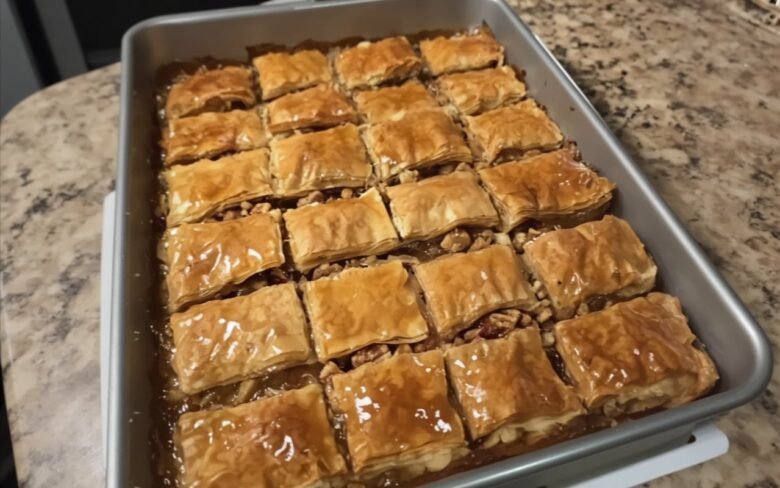
Have you ever wondered why a rich, nutty sweet treat like baklava becomes a holiday favorite worldwide — especially cherished as a Christmas baklava recipe that elevates festive tables? While baklava’s origins trace back through Ottoman and Middle Eastern pastry traditions, its crunchy, syrup-soaked layers fit seamlessly into holiday dessert spreads from East to West. This Christmas twist on baklava delights with aromatic cinnamon, chopped walnuts and pecans, buttery phyllo dough, and a honey-lemon scented syrup that’s both indulgent and celebratory.
Whether you grew up with holiday sweets or are discovering baklava for the first time, this holiday baklava recipe transforms simple ingredients into a luxurious dessert. Seamlessly incorporating the best techniques — like layering ultra-thin phyllo with melted butter and a festive spice blend — this recipe turns traditional baklava into a sweet centerpiece that pairs beautifully with coffee, tea, or a post-dinner dessert board. Let’s unwrap the layers of flavor that make this one of the best Christmas desserts you can bake at home.
Ingredients List
Below is everything you’ll need to make a beautifully layered, aromatic Christmas baklava — with substitution ideas and sensory descriptions to guide your ingredient choices.
| Ingredient | Quantity | Substitution / Variation |
|---|---|---|
| Phyllo dough (1-lb pack) | 1 pack (1 pound) | Puff pastry (use fewer layers but similar effect) |
| Ground cinnamon | 2 tablespoons | Add a pinch of cardamom or allspice for extra warmth |
| Chopped walnuts | 2 cups | Replace partially with almonds for varied texture |
| Chopped pecans | 2 cups | Swap with pistachios (holiday green color) |
| Honey | 2 cups | Maple syrup (deeper flavor, slight variation) |
| Unsalted butter (melted) | 1½ cups | Ghee or vegan butter for dairy-free option |
| Vanilla essence | 1 teaspoon | Substitute with almond extract (0.5 tsp) |
| Grated lemon zest | 1 teaspoon | Orange zest for sweeter citrus profile |
Imagine the crisp phyllo sheets brushing with warm melted butter, the sweet scent of honey and vanilla rising in your kitchen, and the rich nut mixture spiced with cinnamon — this baklava combines textures and aromas that feel festive and decadent.
Timing
- Preparation time: ~30 minutes (assembly of layers and nuts).
- Baking time: ~45–55 minutes until golden brown and crisp.
- Syrup soak time: ~20–30 minutes cooling and absorbing.
Total time: ~1 hour 45 minutes.
Compared to many complex holiday desserts that take 2–3 hours or require multiple chilling steps, this Christmas baklava recipe is delightfully efficient — letting the oven and syrup infusion do most of the work.
Step-by-Step Instructions
Step 1: Preheat Oven & Prep Phyllo
Preheat your oven to 350 °F (175 °C). Unroll the phyllo dough carefully — phyllo dries out quickly, so cover with a damp kitchen towel while prepping other ingredients.
Tip: Working with phyllo can be intimidating, but keeping it covered prevents drying and tearing.
Step 2: Prepare the Nut Filling
In a large bowl, combine the chopped walnuts, chopped pecans, and ground cinnamon. Stir to blend spices evenly with the nuts. The aromatic cinnamon will infuse the nut mixture with warmth and festive flavor.
Step 3: Layer the Phyllo & Butter
Brush the bottom of a 9×13-inch baking pan with melted butter. Place one sheet of phyllo into the pan, brush with more melted butter, and repeat this process for about 8 layers. Ensure each layer is well-buttered, which creates the signature flaky texture.
After the base layers, sprinkle a thin, even portion (about ¼) of the nut mixture. Then repeat layering — phyllo + butter + nuts — until all nuts are used and you’ve created multiple crunchy layers. Finish with about 6–8 phyllo sheets on top.
Step 4: Score Before Baking
Using a sharp knife, carefully score the top phyllo into diamond or square shapes. Scoring before baking ensures cleaner cuts later and lets syrup penetrate more easily after baking.
Step 5: Bake to Golden Crisp
Bake in the preheated oven for 45–55 minutes, until the top is deep golden and crisp. The layers should separate slightly at the cuts, revealing fragrant, nutty layers.
Tip: Rotate the pan halfway through baking for even browning, especially in ovens with hot spots.
Step 6: Make the Honey-Lemon Syrup
While the baklava is baking, prepare the syrup. In a saucepan, combine 2 cups honey, 1 teaspoon vanilla essence, and the zest of one lemon. Warm over medium heat until combined — don’t boil aggressively, as honey can burn. Once baked, remove the baklava and pour the warm syrup evenly over the hot pastry. Let it soak in for 20–30 minutes.
This syrup step is essential — it sweetens the pastry and ensures each layer is luxuriously sticky and tender.
Nutritional Information
Christmas baklava is a rich dessert — here’s an approximate per-serving snapshot (based on ~16 servings):
- Calories: ~320–380 kcal
- Carbohydrates: ~30–38 g (from honey & phyllo)
- Fat: ~18–24 g (butter & nuts contribute healthy fats)
- Protein: ~4–6 g (from nuts)
- Fiber: ~2–3 g
Nutritionally, baklava packs energy from healthy fats in nuts and beneficial antioxidants from cinnamon and citrus zest. While indulgent, it provides satiety and festive sweetness in balanced portions.
Healthier Alternatives for the Recipe
If you want a lighter or adapted version without sacrificing holiday spirit:
- Reduce sugar load: Use 1½ cups honey and increase citrus zest to maintain brightness.
- Use whole-grain or nut flours: Add finely ground almond flour between layers for extra nutrition and texture.
- Swap vegan butter for traditional butter for a dairy-free version — the flakiness remains rich.
- Add fruit essence: A dollop of orange or pomegranate juice in the syrup adds flavor with fewer calories than straight honey.
These alternatives make the recipe more flexible for dietary needs while keeping it joyous and delicious.
Serving Suggestions
This Christmas baklava pairs beautifully with:
- Fresh berries or citrus segments to counterbalance sweetness.
- Mascarpone or whipped cream lightly sweetened with vanilla.
- Espresso or dark roast coffee — the bitterness cuts through the rich honey layers.
- Holiday dessert boards — mixed with chocolate bark, candied nuts, and dried fruit.
For gatherings, cut into bite-size pieces for buffet platters or serve with small dessert forks to make it a memorable finale.
Common Mistakes to Avoid
Cutting Too Soon
Mistake: Cutting baklava before it cools and absorbs syrup.
Fix: Wait 20–30 minutes after pouring syrup so the liquid is drawn evenly through the layers.
Dry Phyllo
Mistake: Letting phyllo sheets dry out while assembling.
Fix: Cover unused sheets with a slightly damp cloth.
Uneven Buttering
Mistake: Not brushing each layer with butter.
Fix: Use melted butter generously between every layer for crispiness and richness.
Syrup Too Hot or Too Cold
Mistake: Pouring syrup that’s too hot or too cold over the pastry.
Fix: Match temperatures — warm syrup into hot baklava helps the pastry absorb it properly.
Storing Tips for the Recipe
- Room temperature: Store baklava in an airtight container at room temperature for up to 5 days.
- Refrigeration: If your kitchen is warm, refrigerate — but bring to room temperature before serving so flavors bloom.
- Freezing: Freeze pieces individually wrapped in parchment and foil for up to 2 months; thaw before serving.
Store in a single layer or separate layers with parchment to avoid sticking.
Conclusion
This Christmas baklava recipe brings festive magic to your dessert table with layers of crisp phyllo, aromatic cinnamon-spiced nuts, and a honey-lemon syrup that sings holiday cheer. With clear instructions, ingredient insights, and smart tips for success, this baklava is both approachable and impressive. Try it for your next holiday gathering, and delight your family and guests with a timeless sweet that’s rich with texture and flavor. I’d love to hear how yours turned out — leave a review, share your favorite pairing ideas, and subscribe for more delicious holiday recipes!
FAQs
Q: Can I use pre-made syrup instead of honey?
A: You can mix light corn syrup with a touch of lemon juice and vanilla — but honey gives the traditional depth and aroma.
Q: Why is my baklava soggy?
A: Sogginess comes from pouring syrup while baklava is still too hot; let it cool a bit first to absorb properly.
Q: Can I make baklava ahead of Christmas?
A: Yes — baklava keeps well for days and often tastes better as flavors meld. Just store in airtight containers.
Q: Can I use only walnuts or only pecans?
A: Absolutely — a single nut type works, but the mix adds texture and flavor complexity.
Q: What’s the best way to cut baklava shapes?
A: Use a sharp knife or pastry cutter to score diamond or square shapes before baking for the best presentation.
Christmas Baklava
Equipment
- 9×13-inch baking pan
- Pastry Brush
- Saucepan
- Sharp Knife
Ingredients
Baklava Layers
- 1 lb phyllo dough
- 2 tbsp ground cinnamon
- 2 cups chopped walnuts
- 2 cups chopped pecans
- 1.5 cups unsalted butter, melted
- 1 tsp vanilla essence
- 1 tsp grated lemon zest
Honey-Lemon Syrup
- 2 cups honey
- 1 tsp vanilla essence
- 1 tsp lemon zest
Instructions
- Preheat oven to 350°F (175°C). Unroll phyllo dough carefully and keep covered with a damp towel to prevent drying.
- In a bowl, mix chopped walnuts, chopped pecans, and ground cinnamon until evenly combined.
- Brush the bottom of a 9×13-inch pan with melted butter. Layer one sheet of phyllo, brush with butter, and repeat for 8 layers. Spread about 1/4 of the nut mixture. Continue layering phyllo + butter + nuts until all nuts are used. Finish with 6–8 sheets of phyllo on top.
- Score the top layers into diamond or square shapes with a sharp knife before baking to allow syrup to penetrate later.
- Bake for 45–55 minutes, until golden brown and crisp. Rotate pan halfway for even browning.
- Prepare syrup by warming honey, vanilla, and lemon zest in a saucepan over medium heat until combined. Do not boil vigorously.
- Remove baklava from oven and pour the warm syrup evenly over the hot pastry. Allow to soak for 20–30 minutes before serving.
