


Introduction
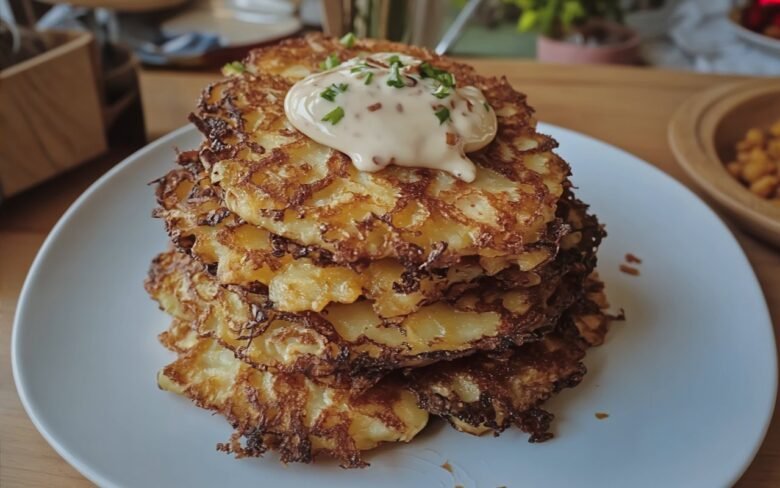
Have you ever wondered why some potato pancakes turn out golden and crisp while others stay soggy and flat? If you crave that perfect crunch and golden-brown exterior every time, this recipe for the best potato pancakes is made for you. With this “best potato pancakes recipe,” you’ll learn the simple science and technique behind turning humble potatoes into crispy delights — a dish that challenges the belief that frying means messy or greasy. Rooted in traditions across Eastern Europe — from Jewish latkes to German kartoffelpuffer — potato pancakes have been a beloved comfort food for generations, enjoyed with sour cream, applesauce, or fresh herbs.
In this post, I’ll walk you through everything: ingredients, timing, step-by-step instructions, nutritional insights, healthier options, serving ideas, common mistakes — everything to help you master crunchy potato pancakes at home.
Ingredients List
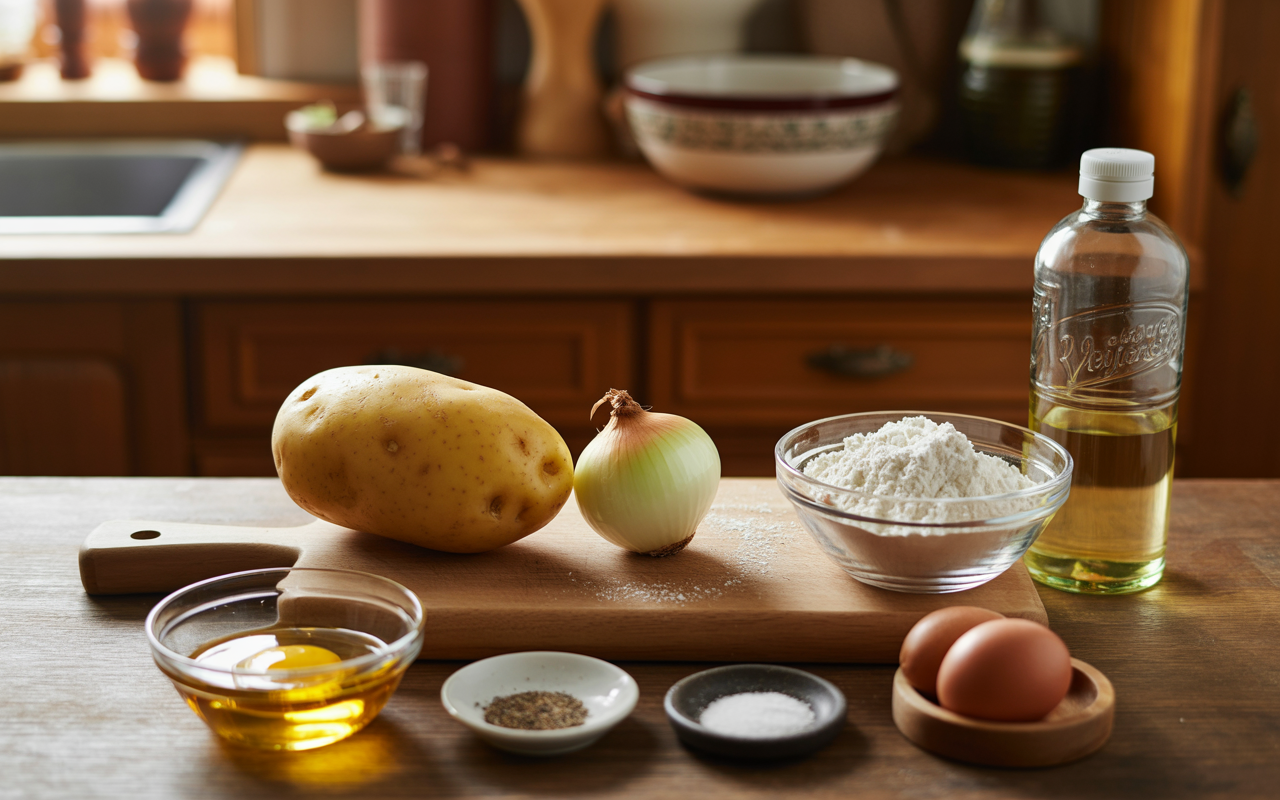
Here’s what you need to make about 4–6 crispy potato pancakes, along with substitution ideas to adjust to your pantry or dietary preferences. The combination of starchy potato, a bit of flour, a binding egg, and frying oil gives you the ideal crispy-soft contrast that makes potato pancakes irresistible.
| Ingredient | Quantity | Substitution / Variation |
|---|---|---|
| Large baking potato | 1 | Use two medium potatoes if large is unavailable — similar yield. |
| Small onion | 1 | Use half an onion or a shallot for milder flavor; or omit for simpler version. |
| All-purpose flour | ¼ cup | Use whole-wheat flour or gluten-free flour for twist; may slightly change texture. |
| Large egg (lightly beaten) | 1 | Equivalent flax-egg (1 Tbsp ground flax + 3 Tbsp water) for vegan-ish binding — texture may be softer. |
| Salt | 1 teaspoon | Use sea salt or kosher salt; adjust depending on taste or dietary need. |
| Freshly ground pepper | ¼ teaspoon | Use more pepper or add herbs (e.g. parsley) for extra aroma. |
| Vegetable oil (for frying) | As needed | Use light olive oil, sunflower oil, or other neutral oil; or shallow fry instead of deep fry to reduce fat. |
Sensory note: think of the potatoes’ starch releasing, the onion’s subtle sweetness, the egg binding it all, and the oil turning each pancake golden and crisp — edges slightly crunchy, interior tender and moist. That contrast is the magic of a great potato pancake.
Timing
- Preparation time: ~10 minutes (peeling, grating, draining, mixing).
- Cooking time: ~10–15 minutes — roughly 3–4 minutes per side per batch.
- Total time: ~20–25 minutes — far less time than many complex potato or dough-based dishes, making this recipe ideal for a quick breakfast, brunch, or cozy dinner starter.
Because the entire process — from raw potato to crispy pancake — takes under half an hour, this recipe is a great go-to when time is short but you still want something warm, comforting, and homemade.
Step-by-Step Instructions
Step 1: Grate and Drain the Potatoes & Onion
Peel the potato and the small onion. Grate both on the fine side of a box grater (or use a food processor). Immediately transfer the grated mixture into a clean kitchen towel (or cheesecloth), then twist and squeeze firmly to remove as much liquid as possible. The drier the mixture — the crispier the pancake.
Pro tip: Let the drained potato–onion sit for a minute so the starch settles, then pour off any excess liquid before mixing with flour and egg. This helps binding and gives crispier texture.
Step 2: Mix the Batter
In a medium bowl, combine the drained potato–onion mixture with flour, beaten egg, salt, and freshly ground pepper. Stir gently until a cohesive batter forms.
Pro tip: Avoid over-mixing — overworking can release too much moisture and cause dense pancakes. Gentle handling leads to lighter, crispier results.
Step 3: Heat the Oil & Fry
Pour enough vegetable oil into a heavy skillet to cover the bottom by ~3–4 mm (about ¼ inch). Heat over medium-high until shimmering but not smoking. Using a large spoon or ice-cream scoop, drop heaped tablespoons of batter into the pan, flattening gently with the back of the spoon to ~½ inch thick.
Cook for 3–4 minutes on the first side until golden-brown and edges look set, then carefully flip and cook another 3–4 minutes until the second side is golden.
Pro tip: Do not overcrowd the pan — leave space between pancakes so oil temperature stays stable. For extra crunch, after frying, place finished pancakes on a cooling rack rather than paper towels so air circulates and keeps them crisp.
Step 4: Drain & Serve Immediately
Once done, transfer pancakes to a wire rack or plate lined with paper towels to absorb excess oil briefly, then serve hot — crispy exterior, tender inside. The contrast in texture is what makes this “the best potato pancakes recipe.”
Nutritional Information
Here’s an approximate nutritional breakdown per pancake (assuming 6 pancakes from this batch):
| Nutrient | Estimate per pancake* |
|---|---|
| Calories | ~140–180 kcal |
| Carbohydrates | ~15–20 g |
| Protein | ~3–4 g |
| Fat | ~7–10 g (depending on oil absorption) |
| Fiber | ~1–2 g |
| Sodium | ~200–300 mg (depending on salt) |
*Actual values will vary depending on oil absorption, exact potato size, and portion size. According to nutrition databases, potato pancakes tend to range from ~150 to ~250 kcal each depending on frying method and crust thickness. Spice Alibaba+1
While indulgent, these pancakes offer a good balance of carbs and some protein from the egg — and if served with light toppings (like Greek yogurt instead of sour cream), the overall meal can be relatively balanced while delivering that classic golden crisp.
Healthier Alternatives for the Recipe
- Reduce oil: Instead of shallow frying, pan-fry with minimal oil or use a non-stick skillet with a light brush of oil and flip pancakes halfway. This significantly lowers fat and calories without sacrificing too much crunch.
- Bake or air-fry: For a lower-fat option, shape the pancakes and bake at high temperature (≈ 200 °C / 400 °F) or cook in an air fryer — results will be less greasy but still crispy.
- Use whole-wheat or gluten-free flour: Swap all-purpose flour for whole-wheat flour for more fiber, or a gluten-free flour blend to suit dietary needs (texture may be slightly different).
- Add vegetables: Mix in grated zucchini or carrot (well-drained) to increase fiber, vitamins, and moisture — giving pancakes more volume and nutrition.
- Reduce salt: Adjust salt down or use herbs (parsley, chives, dill) to boost flavor without extra sodium.
With these adjustments, you can still enjoy a crispy, flavorful potato pancake while making the dish more aligned with balanced or dietary-conscious eating.
Serving Suggestions
- Serve hot with a dollop of Greek yogurt or low-fat sour cream for a tangy contrast. A side of applesauce adds sweet balance — a classic pairing for Eastern-European latkes.
- Add a sprinkle of fresh herbs (chives, parsley, dill) or a pinch of cracked black pepper for extra aroma.
- Pair with a fresh green salad or light vegetable soup for a more complete meal. The crispness of the pancake contrasts nicely with fresh greens or warm broth.
- For brunch or breakfast: top with a fried egg or smoked salmon and sour cream for a richer, elevated dish.
- For parties: make small mini-pancakes (~2–3 inches), keep warm in a 90 °C (200 °F) oven, and serve as savory appetizer bites with a variety of dips — yogurt-herb dip, spicy ketchup, or apple sauce.
Common Mistakes to Avoid
- Not draining potato & onion properly: Excess water results in soggy pancakes that won’t crisp. The key is to squeeze out as much liquid as possible before mixing.
- Overcrowding the pan: Leads to steaming instead of frying — pancakes become mushy rather than crisp. Cook in batches.
- Oil not hot enough: If oil is too cool, pancakes soak up oil and become greasy. If too hot, edges brown too fast while center remains raw. Medium-high heat is ideal.
- Skipping resting time before serving: Serve immediately — waiting too long before serving leads to loss of crispness as moisture accumulates.
- Using the wrong potato: Waxy potatoes hold too much water and don’t crisp well. Baking or starchy potatoes work best for crisp texture. Many classic recipes recommend “baking potatoes” or russet-type potatoes.
Storing Tips for the Recipe
- Short-term storage: Place cooled pancakes in an airtight container and refrigerate for up to 2 days. Reheat in a skillet over medium heat to restore some crispness — avoid microwave or they’ll become soggy.
- Freezing: Not ideal — fried pancakes tend to lose crispiness and turn soggy after freezing. If you freeze, re-crisp in a hot oven or toaster oven rather than microwave.
- Make-ahead prep: Grate potatoes and onion, drain, and store the dry mixture in the fridge up to 4–6 hours before cooking; this helps with meal-prep for busy mornings.
Conclusion
Potato pancakes — humble, cozy, and universally loved — prove that simple ingredients and smart technique can deliver deep comfort and satisfying crunch. This best potato pancakes recipe shows that by mastering potato drainage, batter balance, and frying heat, you can get golden, crisp pancakes with tender interiors every time. Whether served with sour cream, applesauce, herbs, or eggs — they’re versatile, nostalgia-inducing, and perfect for breakfast, brunch, or dinner. Try this recipe, tweak it to your taste, and let us know how it turned out. Don’t forget to leave a comment, share your favorite toppings, and subscribe for more kitchen-friendly, flavor-packed recipes.
FAQs
Q: Can I use frozen or previously boiled potatoes for this recipe?
A: It’s not ideal. Frozen or boiled potatoes hold more moisture, which prevents crispness. For best results, always grate raw potatoes and drain thoroughly — that starch-rich raw potato mixture gives the signature crispy edges.
Q: What type of potatoes should I use?
A: Starchy or “baking” potatoes (like russet or baking potato varieties) are best — they release starch and dry out enough to get a crisp texture. Waxy potatoes tend to stay moist and give soggy pancakes.
Q: Can I bake instead of fry to make them healthier?
A: Yes — shaped pancakes can be brushed lightly with oil and baked at 200 °C (400 °F) until golden (about 20–25 min), or cooked in an air-fryer. They won’t be quite as crispy as fried ones but still tasty and lighter.
Q: How do I keep pancakes crispy when serving multiple batches?
A: Use a wire rack set over a baking sheet in a low oven (≈ 90 °C / 200 °F). This allows air circulation and prevents moisture buildup, keeping pancakes crisp until serving.
Q: What are good toppings for potato pancakes besides sour cream or applesauce?
A: Great alternatives include Greek yogurt with herbs and garlic, chopped chives or dill, smoked salmon, a soft-fried egg, sautéed mushrooms, or even a spicy salsa — depending on whether you want savory, creamy, or fresh flavors.

THE BEST POTATO PANCAKES RECIPE
Equipment
- Box Grater
- Mixing bowl
- Heavy Skillet
- Kitchen Towel or Cheesecloth
Ingredients
Ingredients
- 1 large baking potato
- 1 small onion
- 1/4 cup all-purpose flour
- 1 large egg (lightly beaten)
- 1 tsp salt
- 1/4 tsp freshly ground pepper
- vegetable oil (for frying) as needed
Instructions
- Peel and grate the potato and onion using the fine side of a box grater. Transfer to a clean kitchen towel or cheesecloth and squeeze firmly to remove as much liquid as possible.
- Let the mixture sit briefly so starch settles, then discard excess liquid. This helps improve crispiness.
- Transfer the grated mixture to a bowl and add flour, beaten egg, salt, and pepper. Mix gently until combined, avoiding over-mixing.
- Heat about 1/4 inch (3–4 mm) of vegetable oil in a heavy skillet over medium-high heat until shimmering.
- Drop heaped tablespoons of batter into the pan, flatten slightly to about 1/2 inch thick. Cook for 3–4 minutes per side until golden-brown and crisp.
- Transfer finished pancakes to a wire rack or paper towel-lined plate to drain briefly. Serve immediately for maximum crispiness.
